Macarena Song Lyrics (English & Spanish)
Read the full Macarena lyrics, including English translation and the original Spanish verses.
Macarena History
The Macarena is a Spanish song from 1993 that became the dance craze of the mid-90s: a catchy beat, a Spanish chorus, and an entire wedding reception doing the same simple dance.
For a few years it was everywhere. This is where it came from, and how a song from Seville ended up being danced by everyone from kids to grandparents.
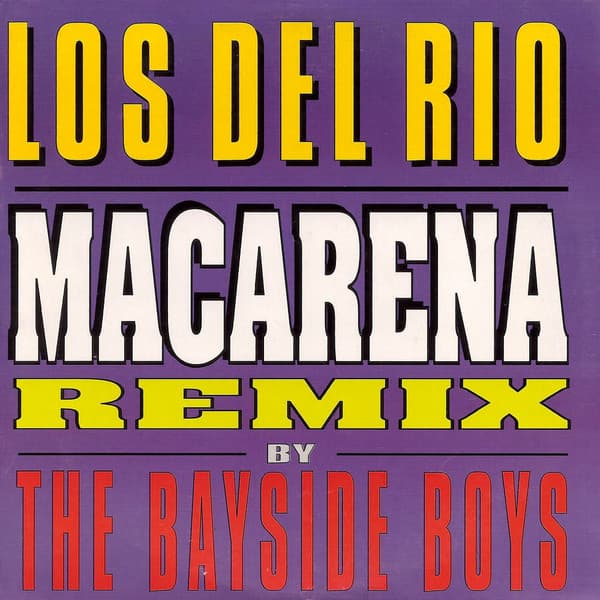
Before it was a worldwide smash, "Macarena" was a Spanish-language song by a Seville-based duo called Los del Río. Antonio Romero Monge and Rafael Ruiz Perdigones had been performing together since the 1960s, specializing in Andalusian folk music. Their big break came in 1992 during a private party in Venezuela.
As the story goes, a local flamenco teacher named Diana Patricia Cubillán Herrera danced for the duo. Inspired by her talent, Antonio Romero Monge spontaneously improvised the song's chorus on the spot, originally singing, "¡Diana, dale a tu cuerpo alegría y cosa buena!" ("Diana, give your body joy and good things!").
Back in Spain, they refined the lyrics, changing "Diana" to "Macarena," a popular name in Seville that also refers to the Virgin of Hope of Macarena. The song tells the story of a woman named Macarena who enjoys life, dancing, and has a boyfriend away serving in the army. The original version was released in 1993 and became a huge hit in Spain and Latin America.
The Macarena might have remained a regional hit if not for a Miami-based radio station and a pair of producers known as the Bayside Boys. In 1995, a radio host started playing the original Spanish version, which caught the attention of producers Mike Triay and Carlos de Yarza. They saw its potential for a wider, English-speaking audience.
The Bayside Boys created a remix, adding English lyrics and a driving dance beat that made the song more accessible for clubs and parties. They kept Los del Río's Spanish chorus but added new English verses that playfully invite listeners to join the dance. This Bayside Boys remix was released in August 1995, and it is the version that went on to top charts around the world. You can read its English verses next to the Spanish original on our Macarena song lyrics page.
The Bayside Boys' version of "Macarena" was released in 1995 and started its slow climb to the top. By 1996 it was everywhere. The song spent 14 weeks at number one on the Billboard Hot 100 in the United States, and 60 weeks on the chart in total.
A huge part of its success was the dance. The simple, repetitive arm movements and hip swivel were easy for anyone to learn. It didn't matter if you had two left feet; you could do the Macarena. The dance spread quickly through schools, parties, sporting events, and even political conventions. It was famously performed by the Democratic delegates at the 1996 Democratic National Convention, cementing its place in pop culture history.
While visiting Venezuela, Los del Río watch flamenco dancer Diana Patricia perform. Inspired, Antonio Romero Monge improvises the chorus "Dale a tu cuerpo alegría, Diana" on the spot.
The song is recorded as "Macarena" (named after Antonio's daughter) and released on the album "A mí me gusta." It becomes a hit in Spain and Latin America.
Miami radio DJs request an English-friendly version. Producers Mike Triay and Carlos de Yarza remix the track, adding English verses and the electronic beat.
The song spends 14 weeks at #1 on the Billboard Hot 100. The dance is performed at the Democratic National Convention and Yankee Stadium. It is inescapable.
VH1 ranks Macarena as the "Greatest One-Hit Wonder of All Time," cementing its status in pop culture history.
The Macarena remains a staple at weddings, sporting events, and parties worldwide, recognized instantly by its opening chord.
The frenzy has died down, but the Macarena never went away. It remains a powerful symbol of 90s nostalgia and a go-to classic for celebratory events. Hearing the opening notes is an instant trigger for a generation, immediately bringing back memories and prompting many to instinctively start the arm motions.
"We never imagined that a simple song about a girl named Macarena would unite people across the world. Even today, the royalties exceed six figures annually; it's a blessing that keeps on giving."
The song marks a moment when a simple tune and an even simpler dance could get people from all walks of life moving together. So next time you hear "Dale a tu cuerpo alegría, Macarena," don't be shy. Put your hands out, turn them over, and join in. Our Macarena dance guide walks through every count.
More on the song, the dance, and the people who made them.
Read the full Macarena lyrics, including English translation and the original Spanish verses.
Who Antonio Romero Monge and Rafael Ruiz Perdigones are, and how their career led to the Macarena.
Learn the 16-count Macarena dance with simple step-by-step instructions.
What the Spanish verses are really about, and the different ways people read the story.